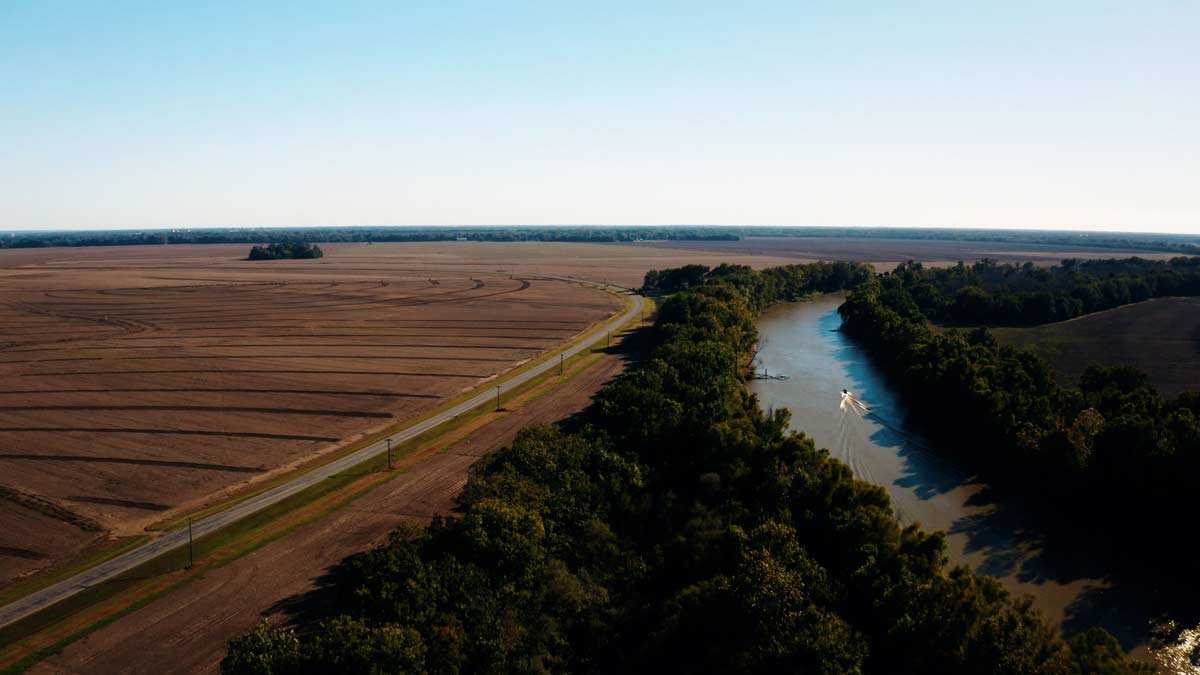
The Tallahatchie River winds quietly through the rich lowlands of northern Mississippi, carrying with it both the beauty and the memory of the Deep South. It flows southward through forests, cotton fields, and Delta towns before joining the Yazoo River on its journey toward the Mississippi river. Its slow, dark waters have long shaped the culture and history of the region, inspiring blues music, folklore, and Southern literature. The river is perhaps most famously remembered in American memory through the story of Emmett Till, whose tragic death in 1955 became a turning point in the Civil Rights Movement. Today, the Tallahatchie remains a symbol of Mississippi’s natural landscape and history that flows along its banks in ways that are bigger than most realize. That’s exactly what filmmaker Clark Richey hopes audiences will discover through Tallahatchie, an ambitious new eight-part docuseries from Six Shooter Studios.
Created in partnership with the Tallahatchie River Authority and developed for Mississippi Public Broadcasting, the series explores the eight Mississippi counties connected by the Tallahatchie River while tracing the people, events and culture that helped shape the region and the country at large. And throughout that story, Greenwood plays a key role.
A Story That Winds Through Time
What started as a conversation about regional promotion quickly became something much larger.
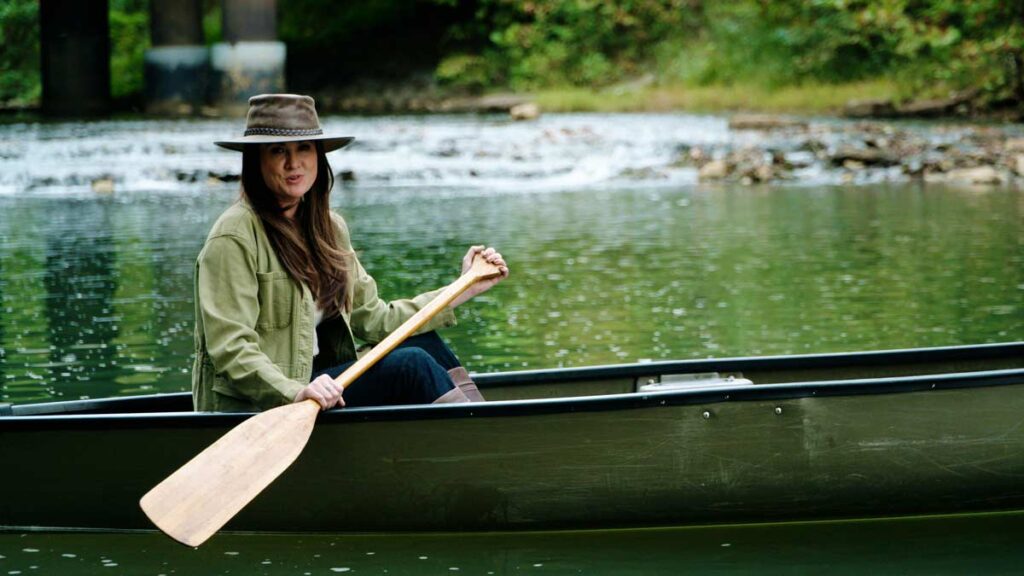
Richey says the Tallahatchie River Authority originally approached Six Shooter Studios about creating content to help spotlight the region. But instead of producing a traditional tourism video, he and studio partner Amye Gousset saw an opportunity to tell a deeper story.
“I’m a storyteller at heart,” Richey said. “We’re in the storytelling business. So, if I was going to tell the story of the Tallahatchie River, I had to understand why it was so important and how to communicate that to a wider audience.”
That perspective shaped the entire direction of the project, finding the natural storytelling inherent to the history of the river. Richey would direct while Gousset would host and interview.
The more Richey and Gousset researched the Tallahatchie region, the more they realized how many major moments in American history connected back to those small and seemingly unassuming counties and communities along its riverbanks.
“The thing about the Tallahatchie River is it’s a microcosm of American history,” he said.
From prehistoric fossils and Native history to the Civil War, the Civil Rights Movement, music legends and modern economic development, the series aims to show how deeply connected this region is to the broader story of America itself. In fact, Richey himself described the project as tracing “the soul of America” through the river and the people who’ve lived alongside it.
Greenwood’s Place in the History of the Tallahatchie
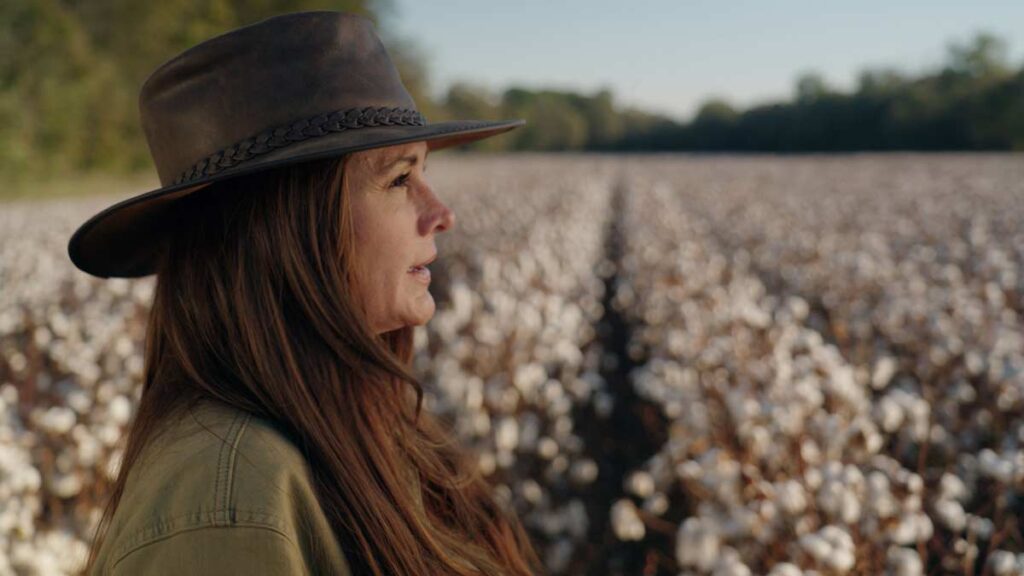
As the series moves through the Delta and beyond, Greenwood naturally became one of the series’ many focal points. A few Greenwood natives, Matthew Moore and Josh Whites, were even part of the crew.
Filming took place throughout the city and surrounding areas, including the Tallahatchie Flats, the Cotton Row Historic District, Viking Range and several locations connected to blues and Civil Rights history, such as nearby sites tied to Emmett Till, Robert Johnson and the broader historical, musical and cultural legacy of the Delta.
“You look at this little sparsely populated section of the world, and you say, ‘Man, a lot of things happened right there,’” Richey said.
That sense of significance is something visitors often discover once they spend time in Greenwood themselves. It’s a place where history doesn’t feel distant or tucked away behind museum glass. Instead, it feels lived in. The stories are woven into downtown streets, restaurants, music venues and conversations with locals who know the region by heart. For Richey, that authenticity – found in Greenwood and in every town across the Delta – became one of the driving forces behind the series.
Building a Series Through Research and Conversation
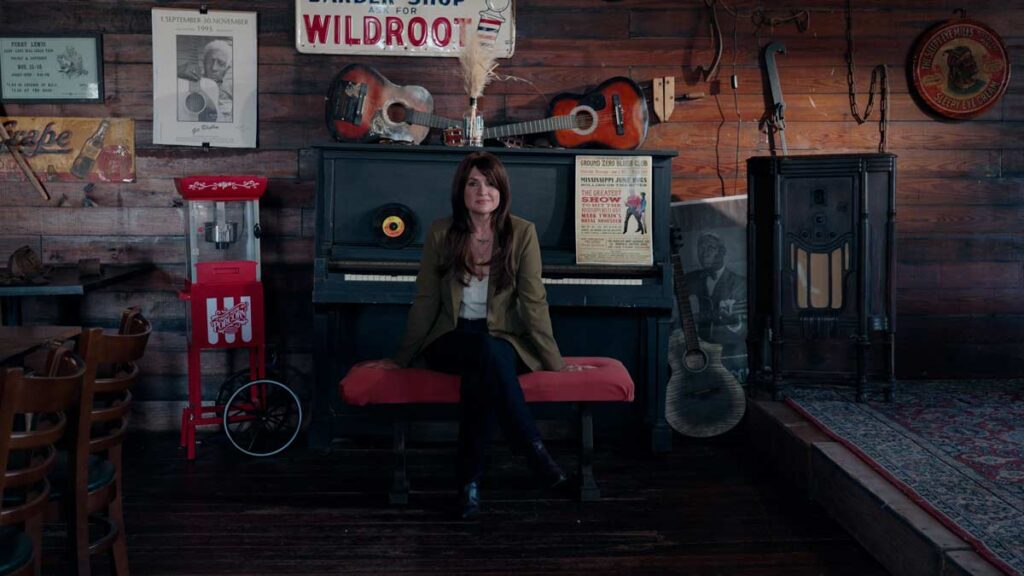
A staggering amount of research went into the making of Tallahatchie.
Richey, himself possessing a background in historical journalism, spent nearly two years developing the project, conducting interviews with historians, archaeologists, tourism leaders, Civil War experts, musicians and scholars from across the state of Mississippi and beyond. In total, the production team interviewed around 70 people.
Some interviews came from nationally recognized names, secured by producers David & Claire Crews. Others came from local experts who’ve spent decades preserving pieces of regional history out of sheer passion for the subject matter.
“Any topic that we stumbled upon, we went and found the best person we could find for that,” Richey said when describing the interview process.
That approach led the team everywhere from the Mississippi Museum of Natural Science to the University of Mississippi, to speaking with representatives from the Chickasaw Nation and communities all along the river.
But just as important as the research itself was listening to the people who already knew these towns best.
“I started with what these counties wanted to say about themselves,” Richey explained. “When you start there, you can really see what makes people proud about their hometowns.”
That decision gave the series a more personal perspective. Instead of treating the region like a collection of landmarks, Tallahatchie focuses on the people who continue shaping these communities today.
Filming Across the Delta
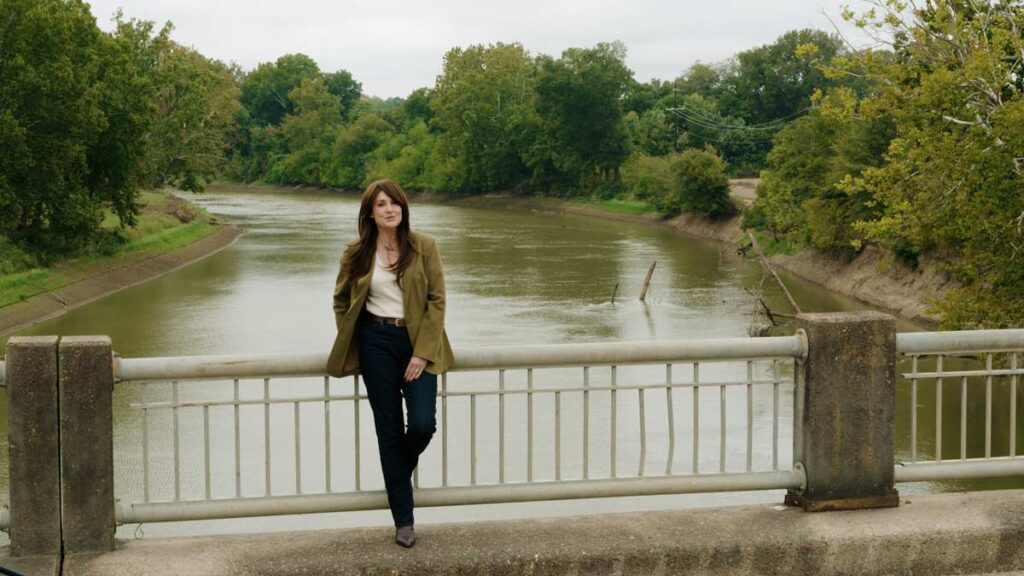
Bringing the series to life wasn’t easy.
Production stretched across six weeks of filming during long Mississippi days in September and October, with crews traveling county to county gathering footage, interviews and on-location scenes.
“It was extremely tough,” Richey admitted. It’s why Richey feels especially indebted to Director of Photography Jamie Matthews, who was instrumental in capturing the beauty of the region.
But despite the challenges, he says the process gave the entire crew a deeper appreciation for Mississippi and the people who care so passionately about their communities.
“It was worth it, especially when you have landscapes as beautiful and people as passionate as Mississippi’s to film with.”
Every stop along the river came with another story. Every interview revealed another layer to the tapestry. And throughout the process, the production team kept discovering connections between places that many people might never think to connect. That’s part of what makes the series unique.
Rather than focusing on a single subject, Tallahatchie moves quickly through time and across counties, tying together everything from William Faulkner and B.B. King to James Meredith, Civil Rights history, and river culture
The result is a project that feels much larger than a traditional docuseries.
Why This Story Matters
At its core, Tallahatchie is about connection.
Connection between past and present.
Connection between generations.
Connection between counties.
Richey says he hopes viewers come away understanding just how much of America’s story passed through this region.
“I want people to know that many things that affect the entire country happened right here along the Tallahatchie River,” he said.
And that includes Greenwood.
For visitors, it’s another reminder that Greenwood isn’t simply a stop along the way. It’s a place filled with stories worth slowing down for. You can spend the day exploring museums, listening to live music, walking through downtown or tracing pieces of Mississippi history that helped shape the nation itself. And soon, audiences across the state – and hopefully far beyond it – will get to experience part of that story through Tallahatchie.
To learn more about Greenwood’s culture, music and history, explore VisitGreenwood.com and start planning your trip to the Delta today.